EFWA Knowledge Hub
September 1, 2026 2026-09-09 11:18EFWA Knowledge Hub
EFWA Academic & Professional Learning
Knowledge that improves professional decisions
Evidence-informed articles, practical teaching frameworks and measured expert interpretation for Pilates instructors, personal trainers, massage practitioners, yoga teachers and movement professionals.

Browse by subject
Find the question you need to answer
Explore focused collections without losing the connection between physiology, coaching, movement, nutrition and professional practice.
Latest evidence-informed reading
New questions, automatically updated
The newest published EFWA articles appear here automatically, with their own featured images, categories and summaries.

Do Diet Breaks Prevent Metabolic Slowdown During Weight Loss?
Diet breaks may make a weight-loss phase easier to sustain, but they do not reset metabolism. Here is what current trials and reviews actually…
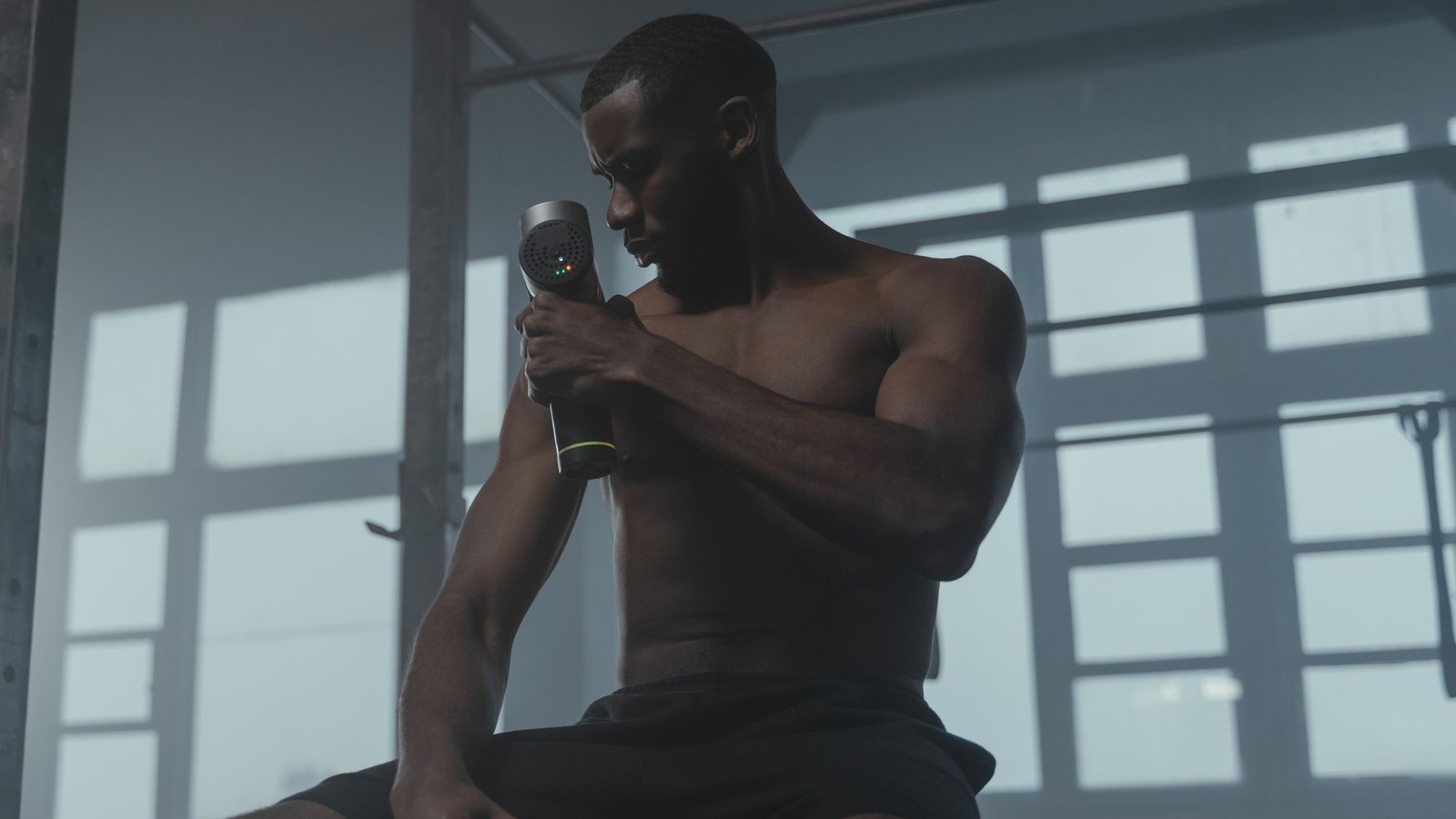
Massage Guns Before or After Exercise? What the Evidence Supports
Massage guns may change mobility or readiness, but performance and recovery effects vary. Use EFWA’s TOOL check to match the device to the task.
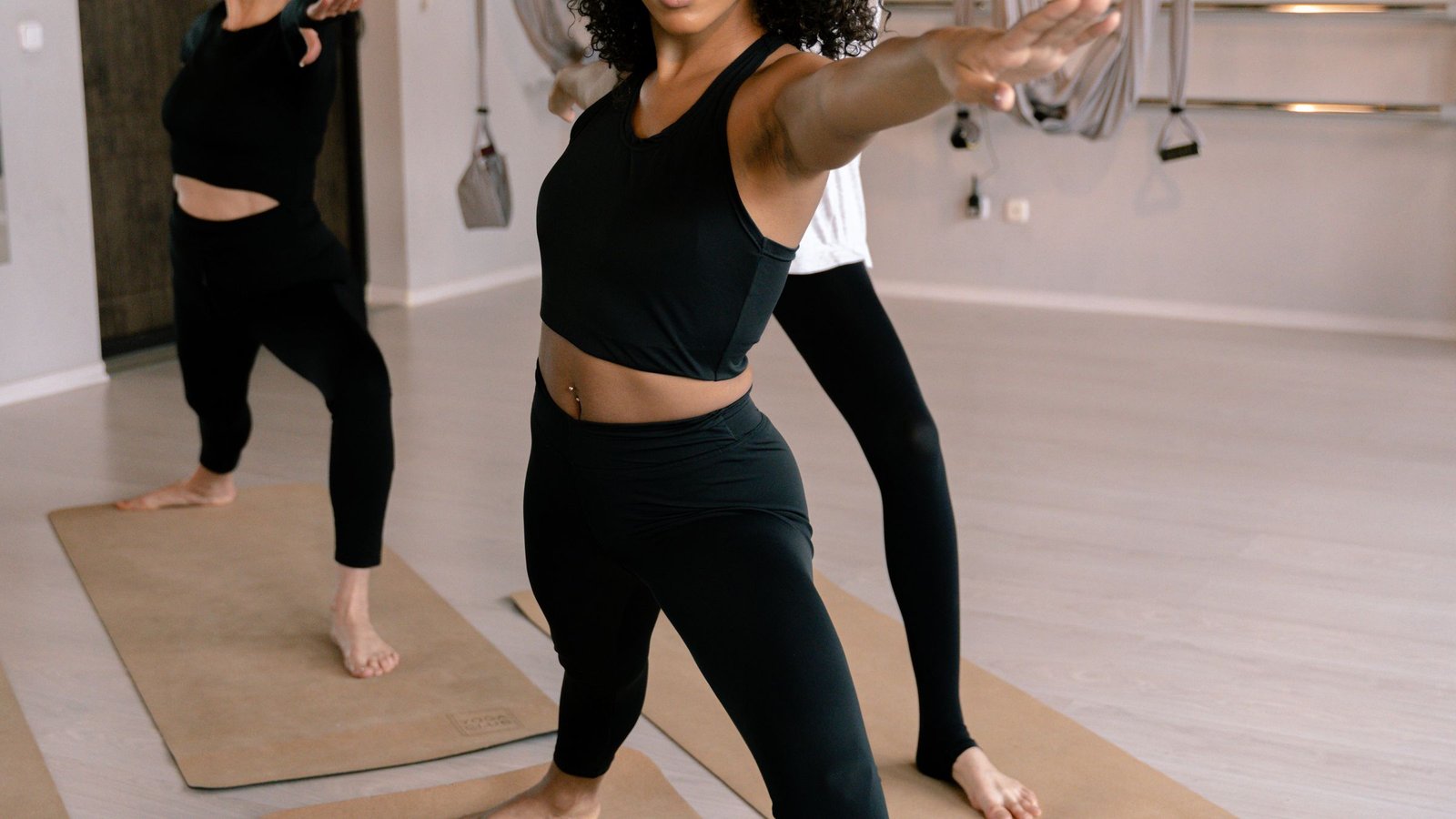
How Long Should You Hold a Yoga Pose? Match the Time to the Goal
There is no universal hold time for every yoga pose. Match duration to learning, balance, strength, mobility or rest with EFWA’s TIME check.
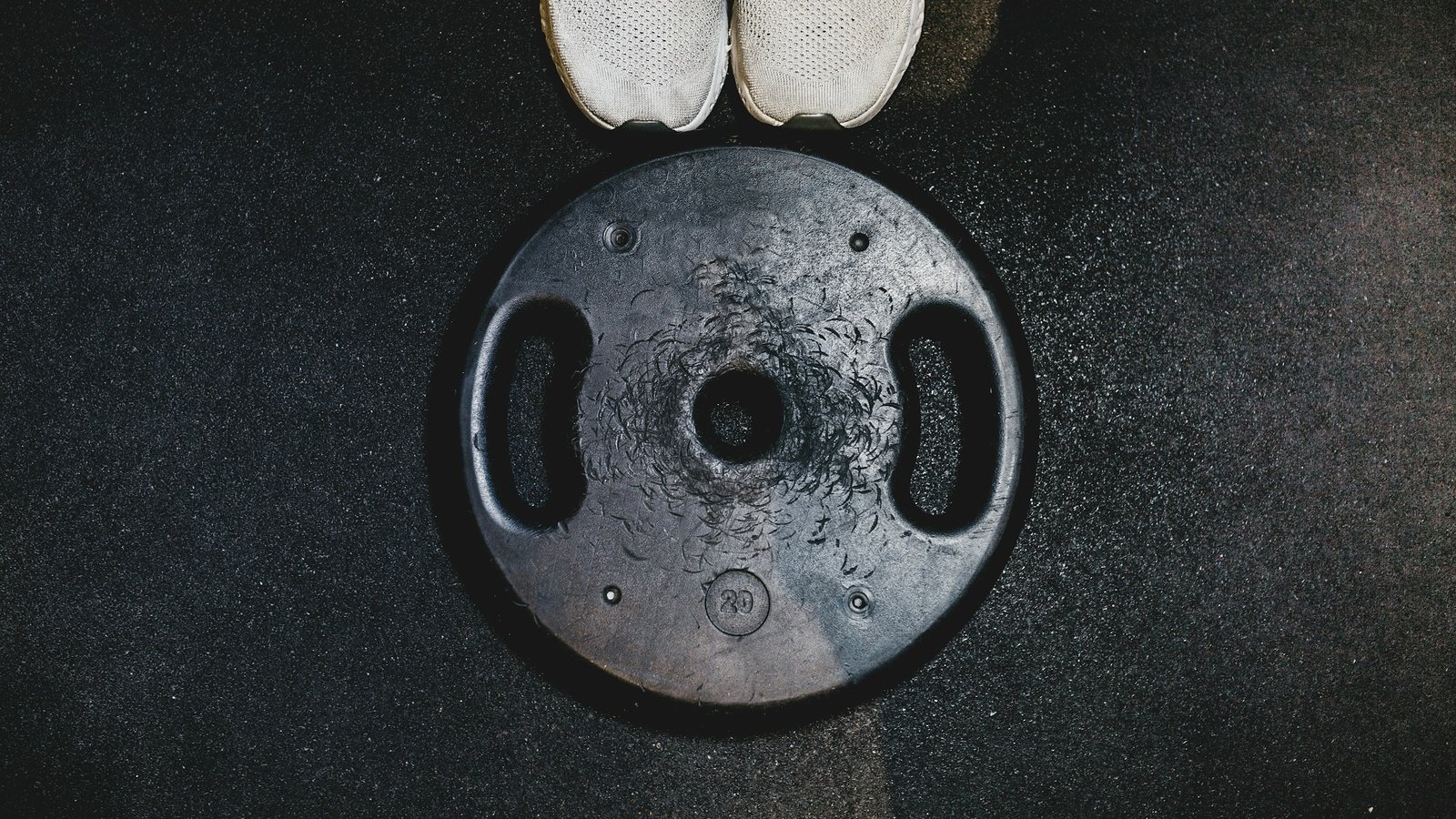
Can You Build Strength and Endurance at the Same Time?
Strength and endurance can improve in the same programme. The key is managing priorities, session quality and total training stress.
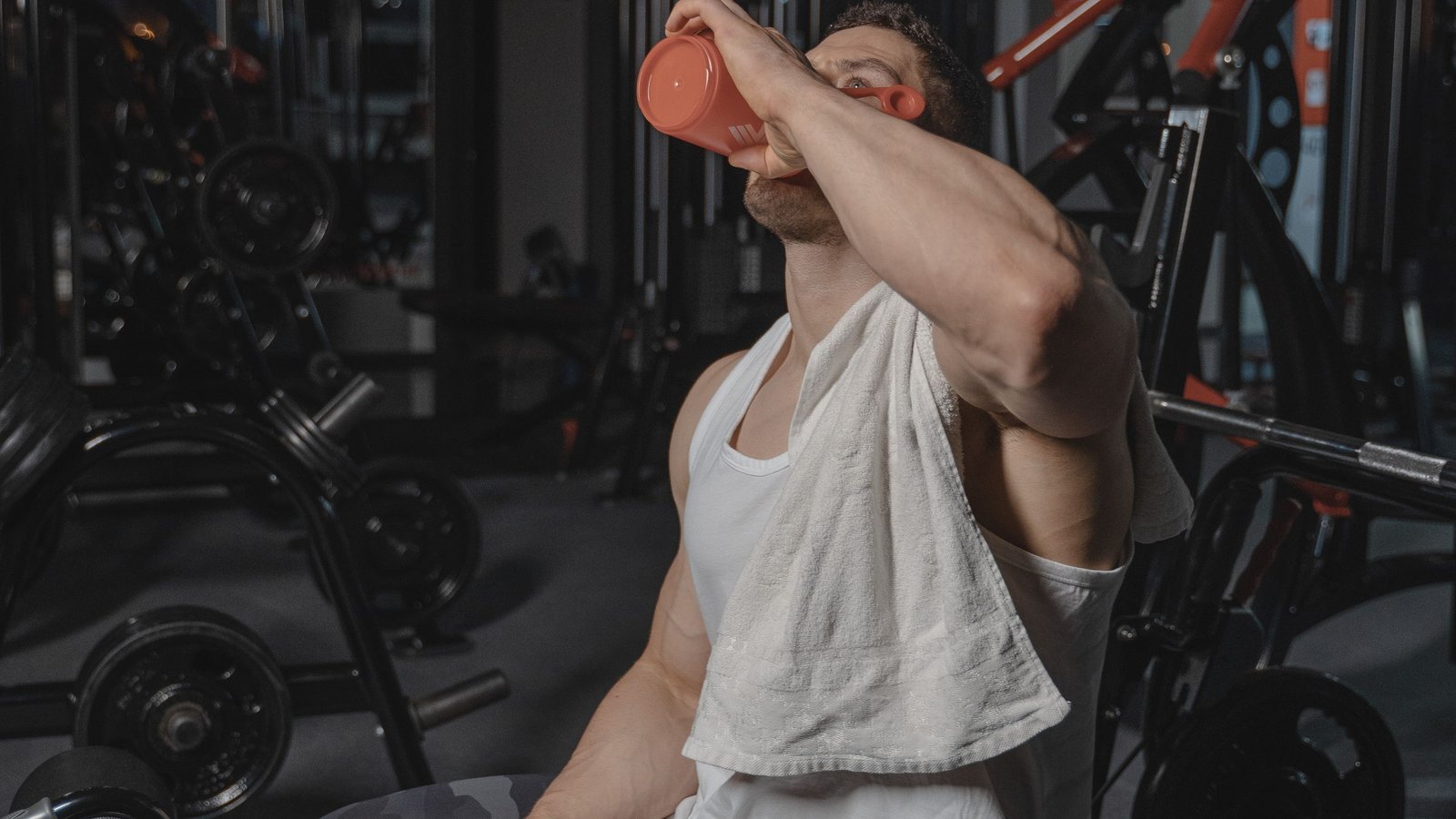
Does Sweating More Mean a Better Workout?
Sweat is a cooling response, not proof of a better workout. Use EFWA’s SWEAT check to interpret environment, workload and warning signs.
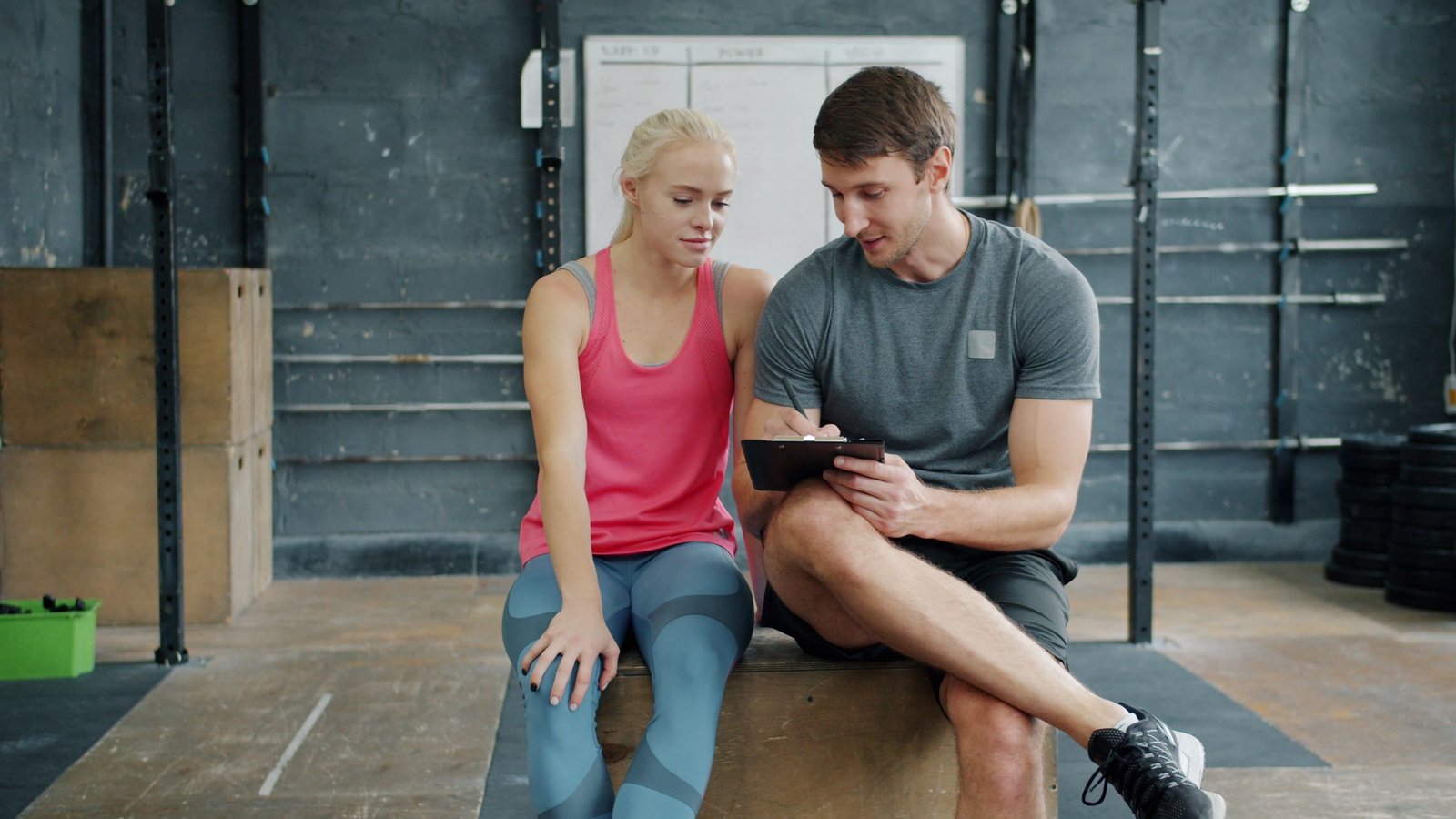
Should You Change Exercises Every Week? Variety Without Randomness
Weekly exercise changes are rarely necessary. Use EFWA’s ANCHOR check to preserve skill and progress while adding purposeful variety.
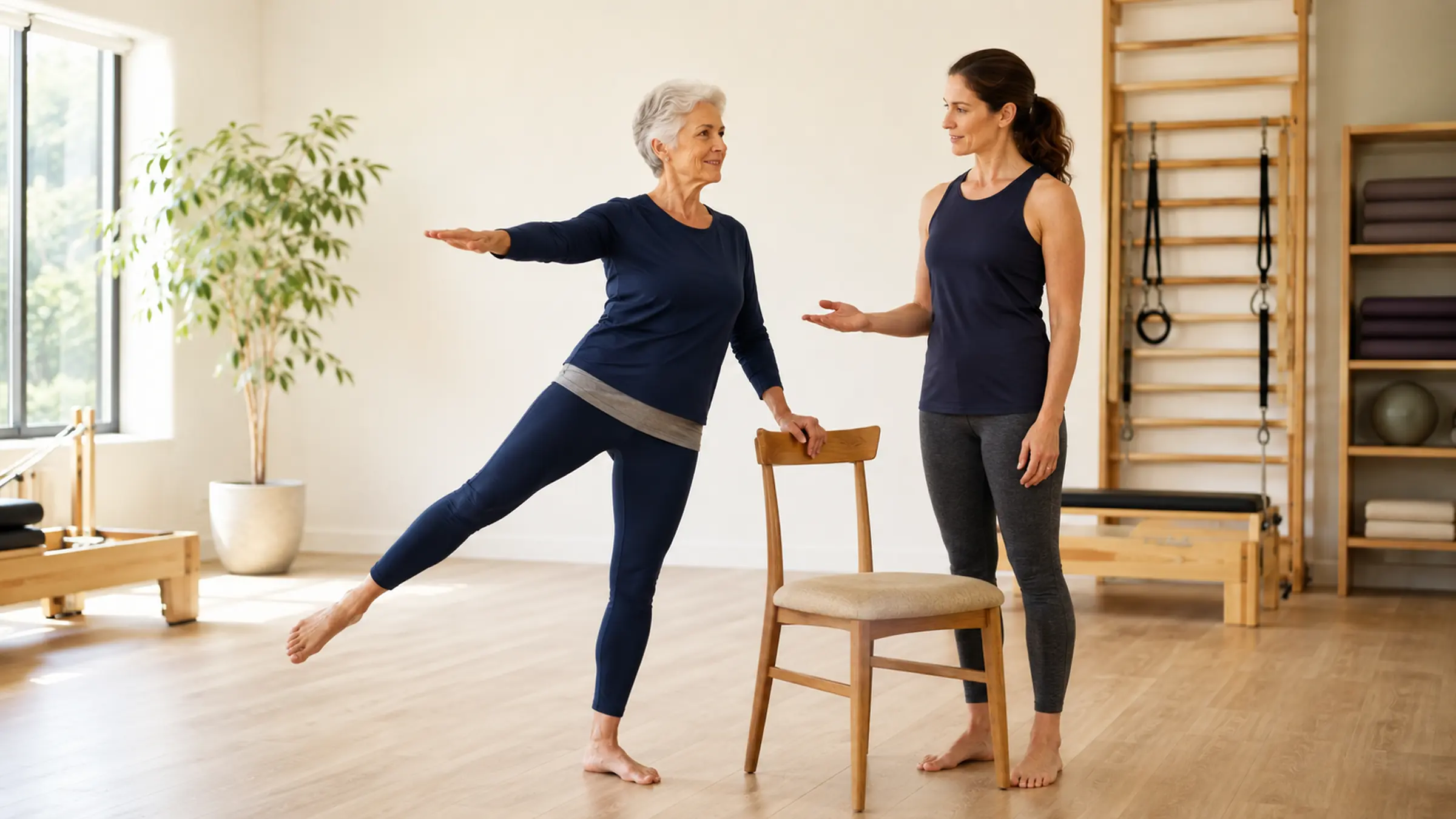
Can Pilates Improve Bone Health? What Instructors Should Know
Pilates may support strength, balance and confidence, but evidence does not show that it reliably increases bone density on its own. Here is how…
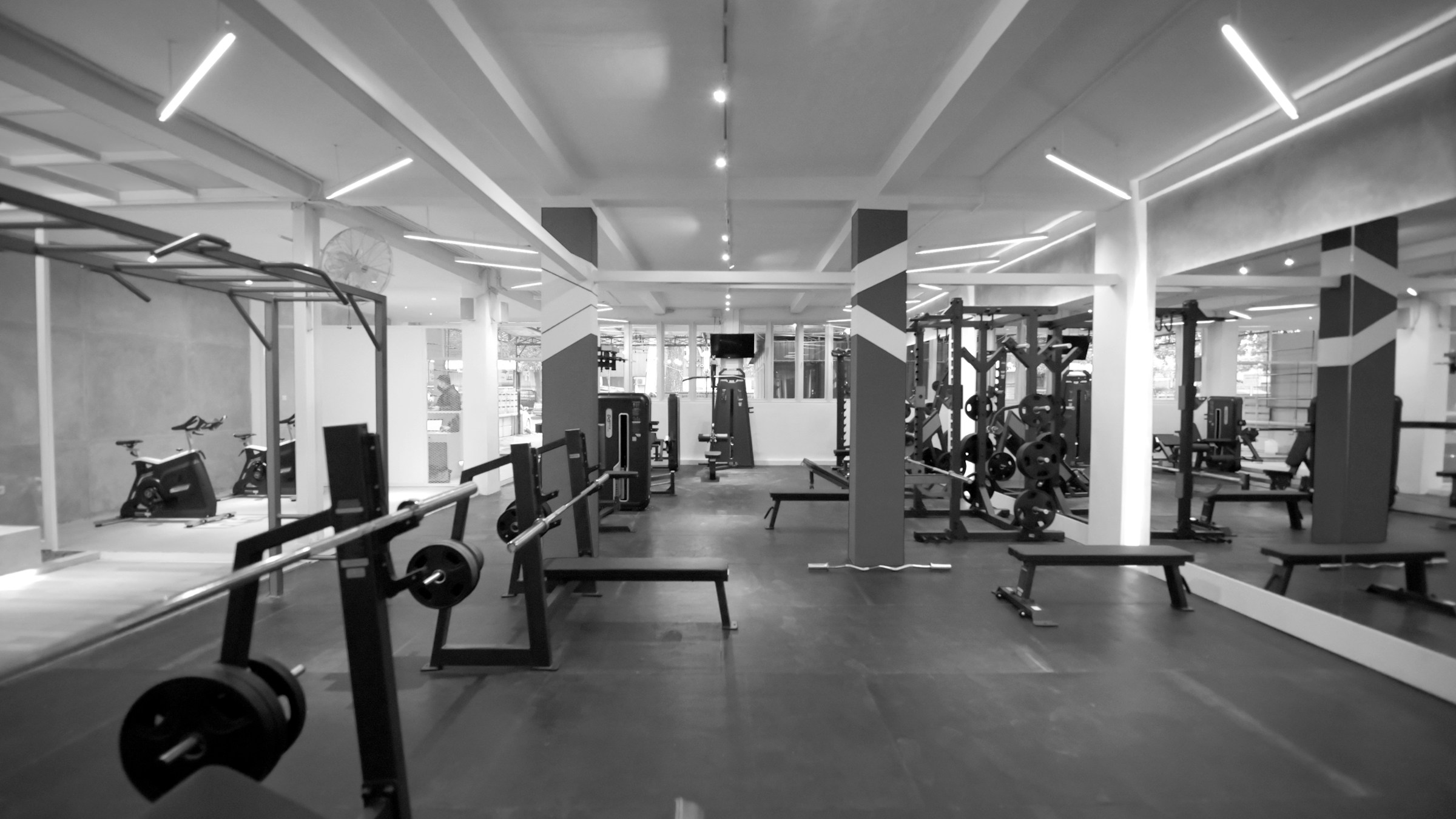
Free Weights or Machines? Choose the Tool for the Task
Equipment is a tool, not a training hierarchy. Learn how the strength test, the learner’s goal and the evidence should shape a choice between…
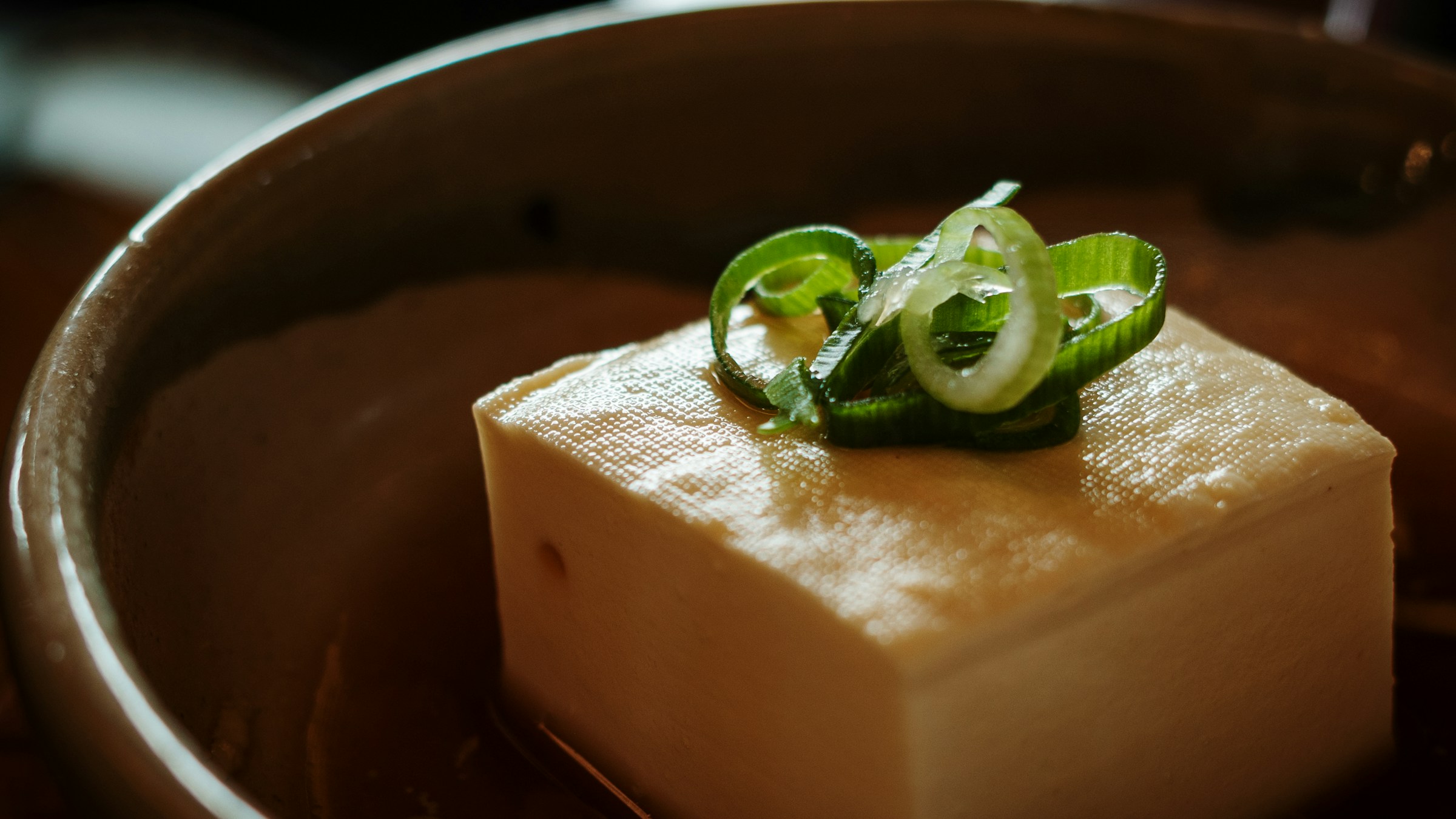
Can You Build Muscle with Plant Protein?
Plant-based diets can support muscle and strength gains, but the evidence is not identical for every protein source. A practical guide to research and…
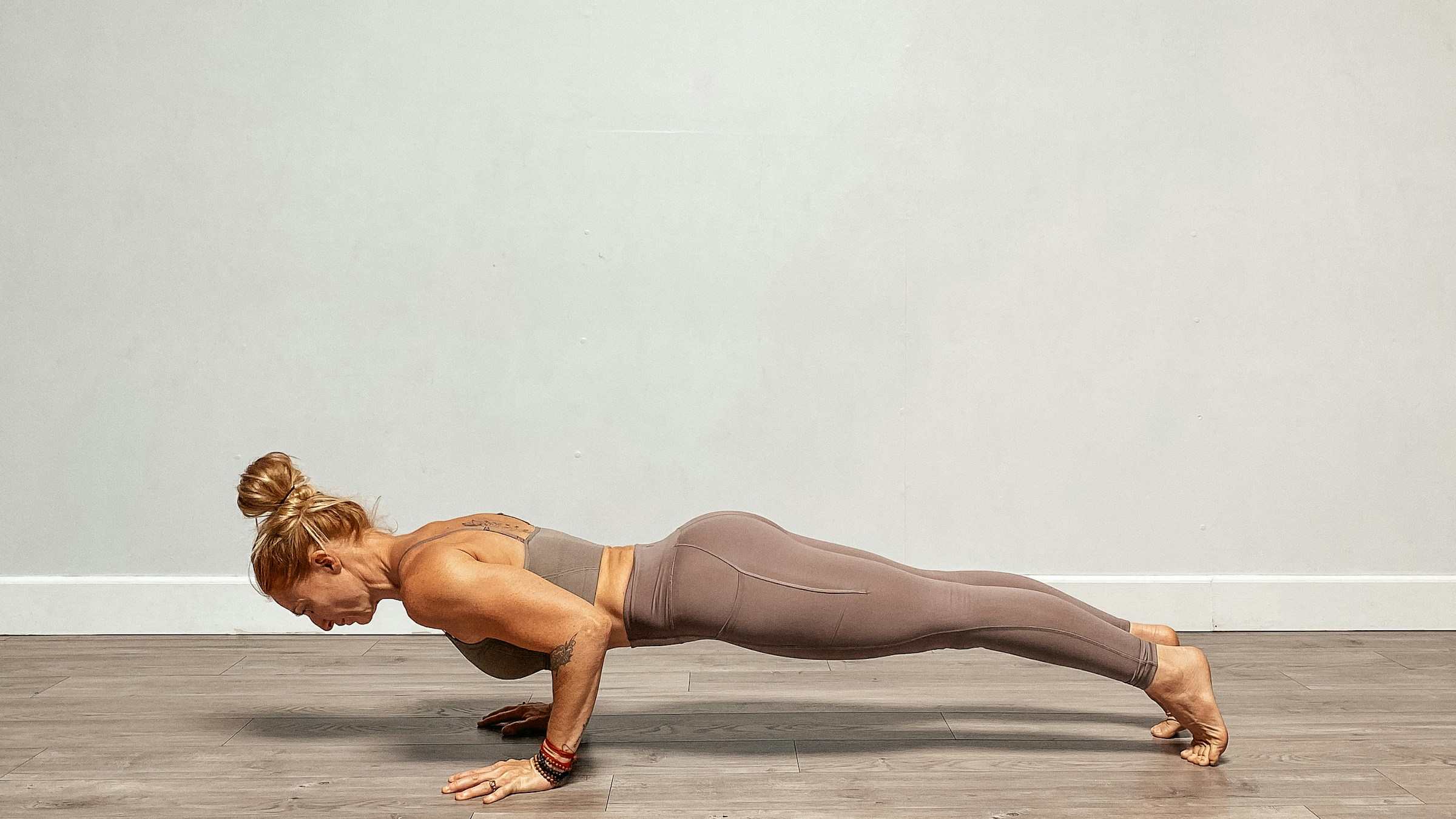
Does Yoga Count as Strength Training?
Yoga can build or maintain strength when the muscular challenge is sufficient and progresses. Use a four-question audit to judge a real class, not…
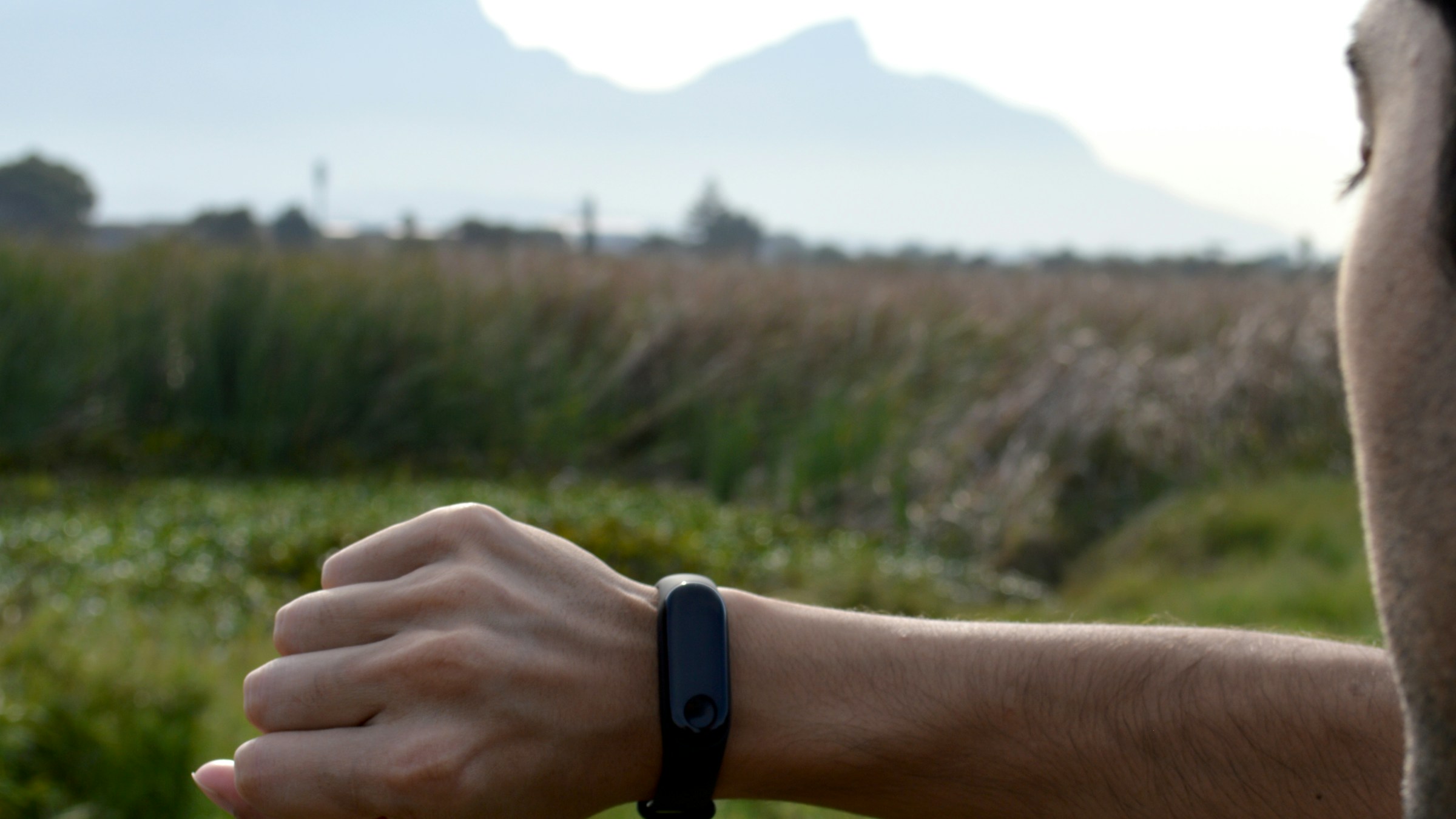
Can a Smartwatch Tell You Whether to Train Today?
A recovery score can add useful context, but it cannot make the training decision for you. Use five signals to interpret wearable data without…
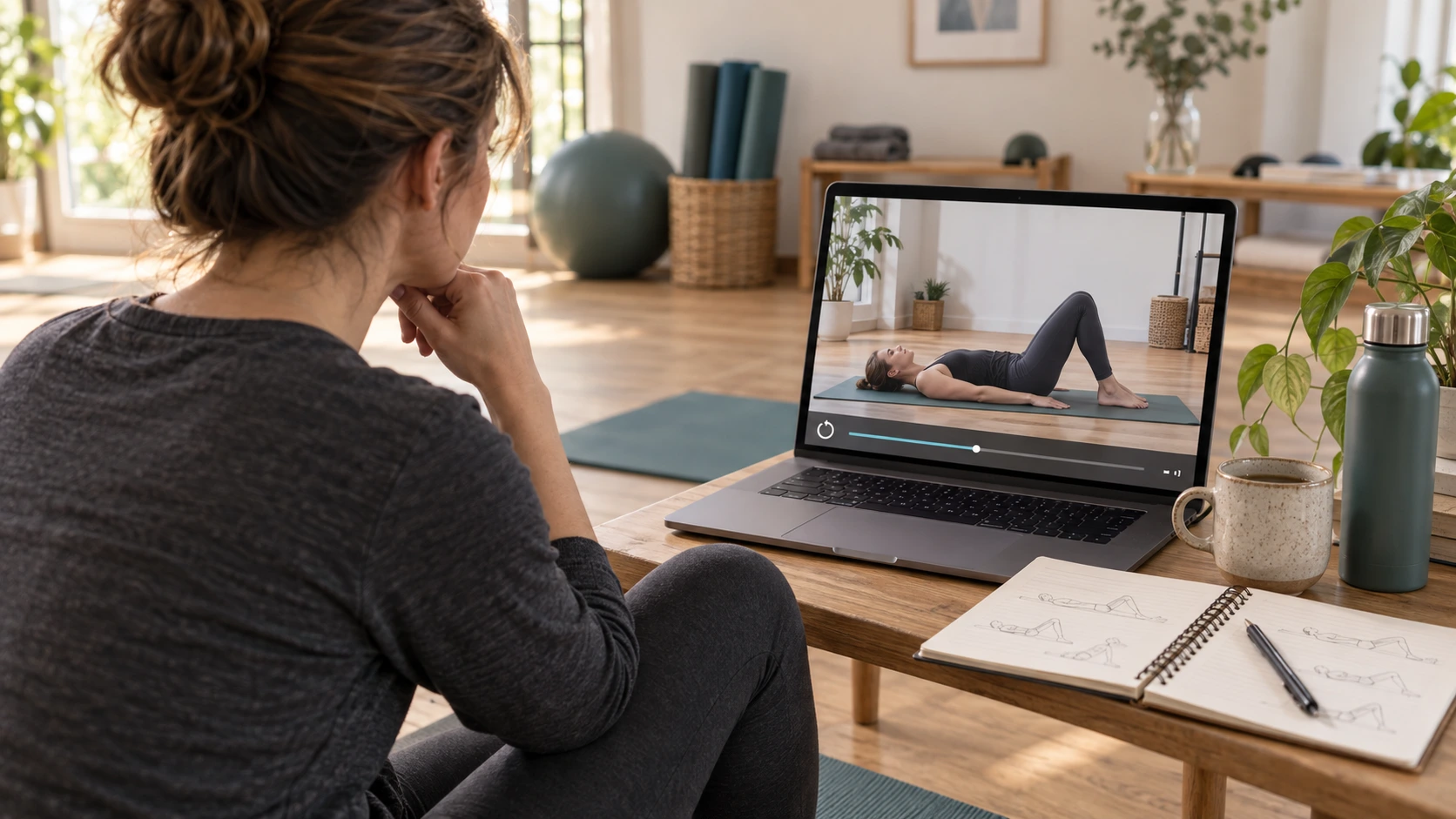
Online Pilates Training: Rewatch the Lesson, Understand the Movement
Online Pilates training lets you revisit demonstrations, follow muscle anatomy on screen, ask tutors questions and return to every lesson after certification.
Continue learning
Move from reading to structured education
When a topic connects naturally with your professional goals, explore the relevant EFWA programme family.
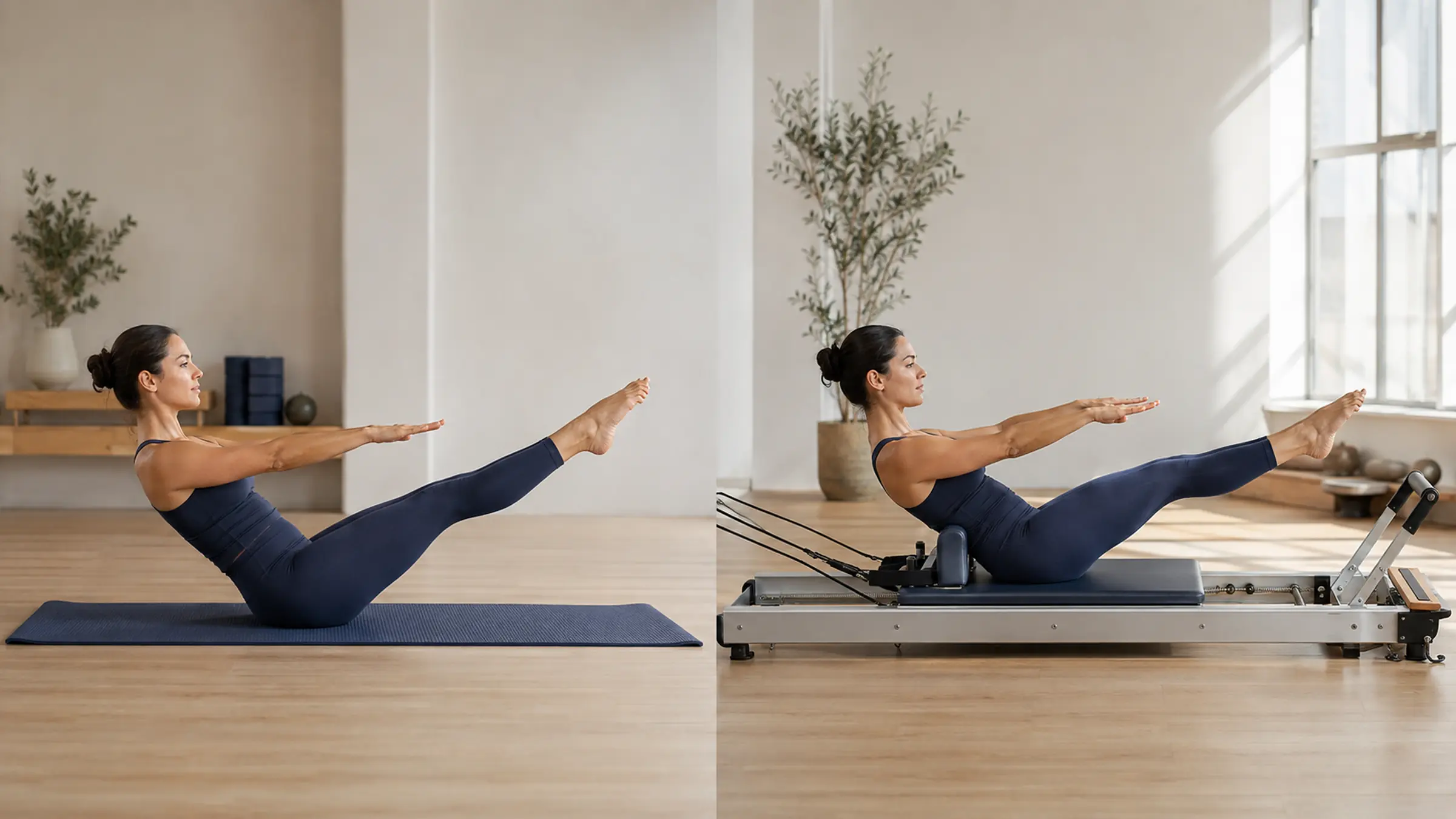
Pilates Instructor Courses
Compare Mat, Reformer, Pregnancy, Kids and Master pathways.
Compare Pilates courses →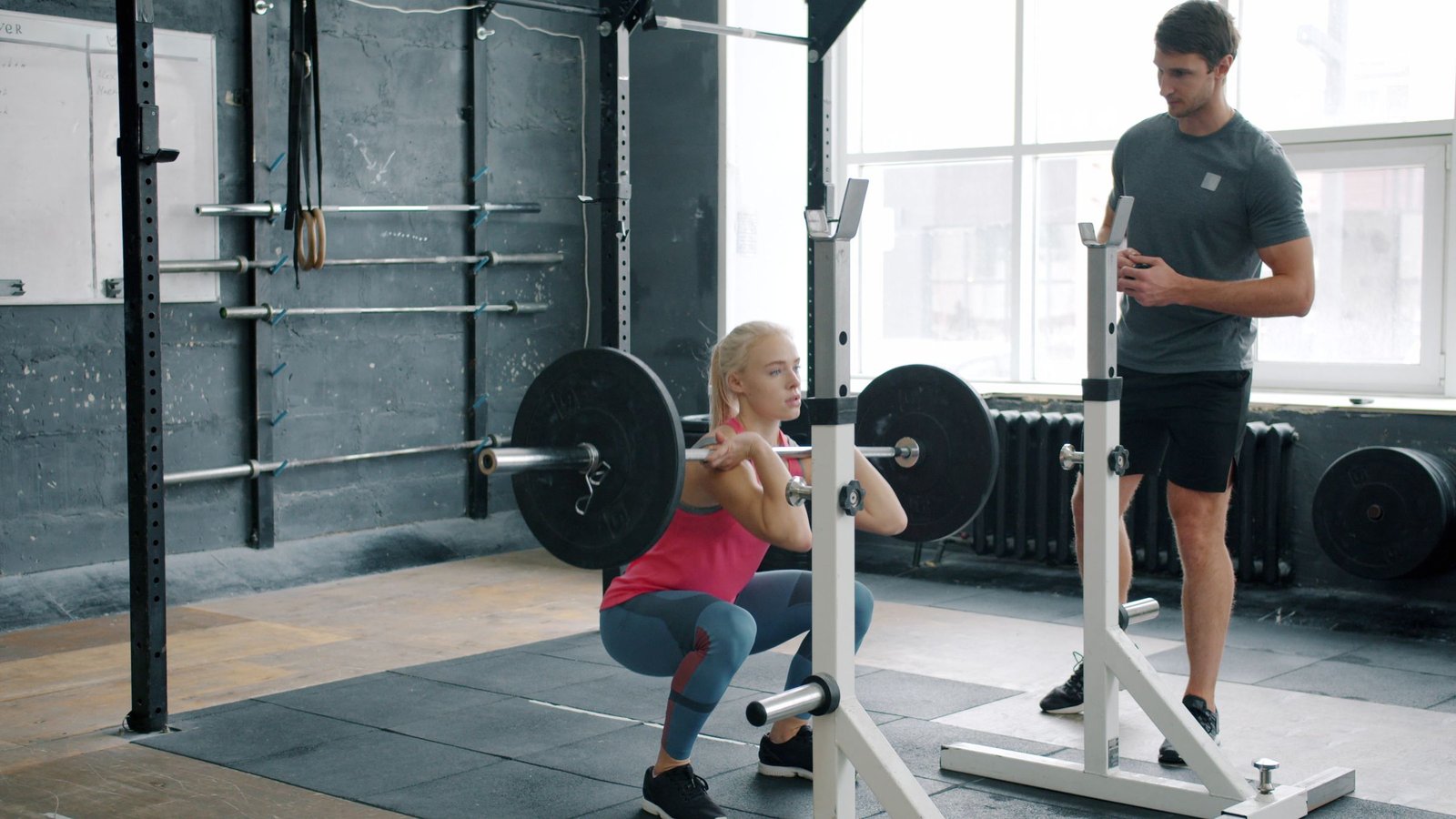
Personal Trainer Courses
Develop applied coaching, programming and professional practice.
Explore PT courses →
Massage & Therapy Courses
Explore massage, sports massage, Thai massage and reflexology education.
Explore therapy courses →
All EFWA Programmes
Browse EFWA’s current professional education and compare learning routes.
Explore all programmes →EFWA editorial approach
Clear answers without false certainty
EFWA prioritises systematic reviews, recognised guidance and high-quality peer-reviewed research where relevant. Articles distinguish established evidence, emerging findings and applied educational interpretation, while making professional boundaries and limitations visible.