EFWA Knowledge Hub
September 1, 2026 2026-09-09 11:18EFWA Knowledge Hub
EFWA Academic & Professional Learning
Knowledge that improves professional decisions
Evidence-informed articles, practical teaching frameworks and measured expert interpretation for Pilates instructors, personal trainers, massage practitioners, yoga teachers and movement professionals.


Browse by subject
Find the question you need to answer
Explore focused collections without losing the connection between physiology, coaching, movement, nutrition and professional practice.
Latest evidence-informed reading
New questions, automatically updated
The newest published EFWA articles appear here automatically, with their own featured images, categories and summaries.
Fibremaxxing: Helpful Habit or Too Much Too Soon?
Fibremaxxing highlights a genuine nutritional gap, but more is not always better. Learn how to build fibre intake gradually, vary food sources and respond…
Exercise Snacks: Can a Few Minutes at a Time Improve Fitness?
Very short bouts of exercise can improve cardiorespiratory fitness in physically inactive adults—but they are not a complete training plan. Learn what the latest…
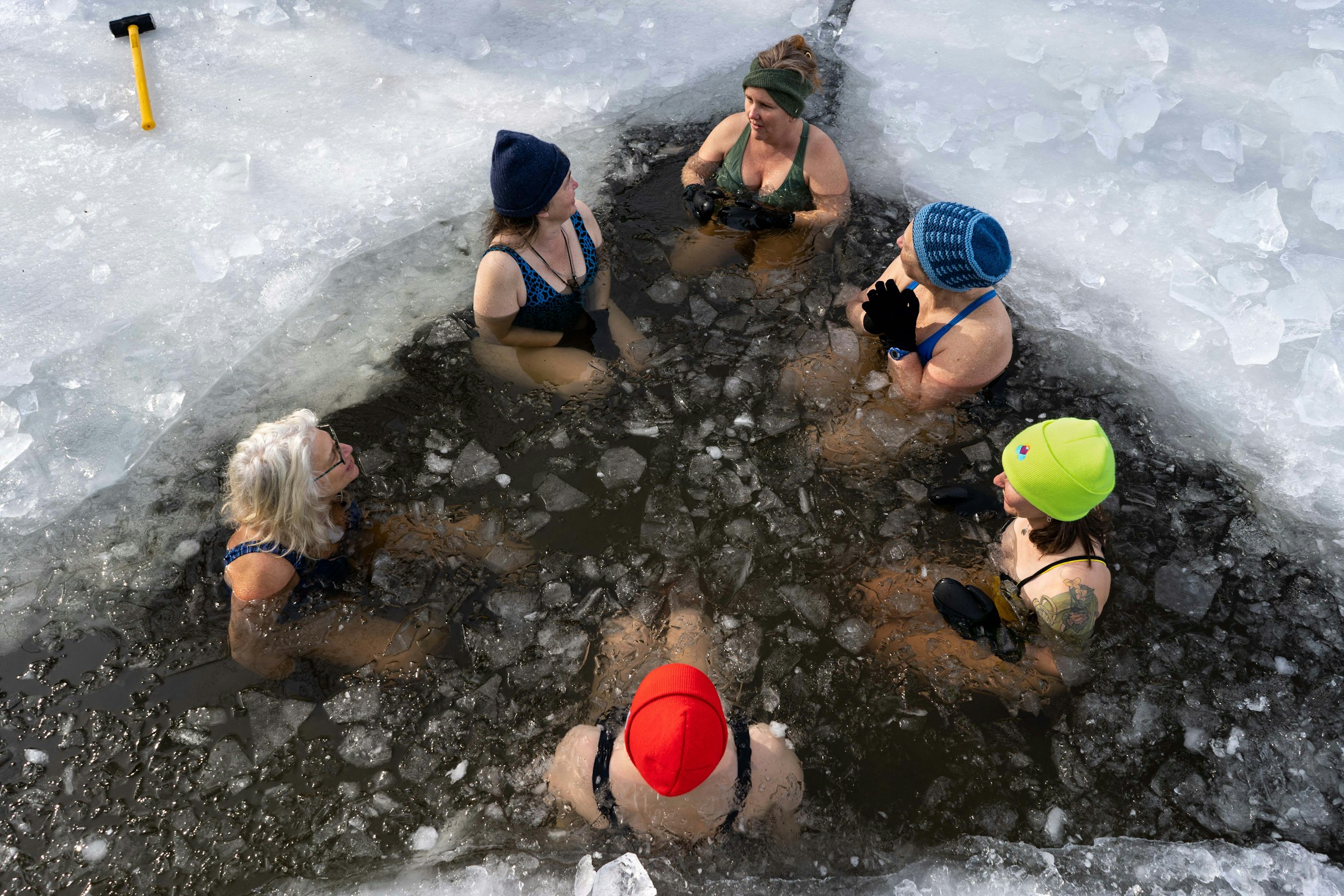
Cold Plunges After Strength Training: Recovery Tool or Adaptation Trade-Off?
Cold-water immersion may reduce soreness, but routine immediate use after resistance training may trade short-term relief for smaller long-term adaptations.
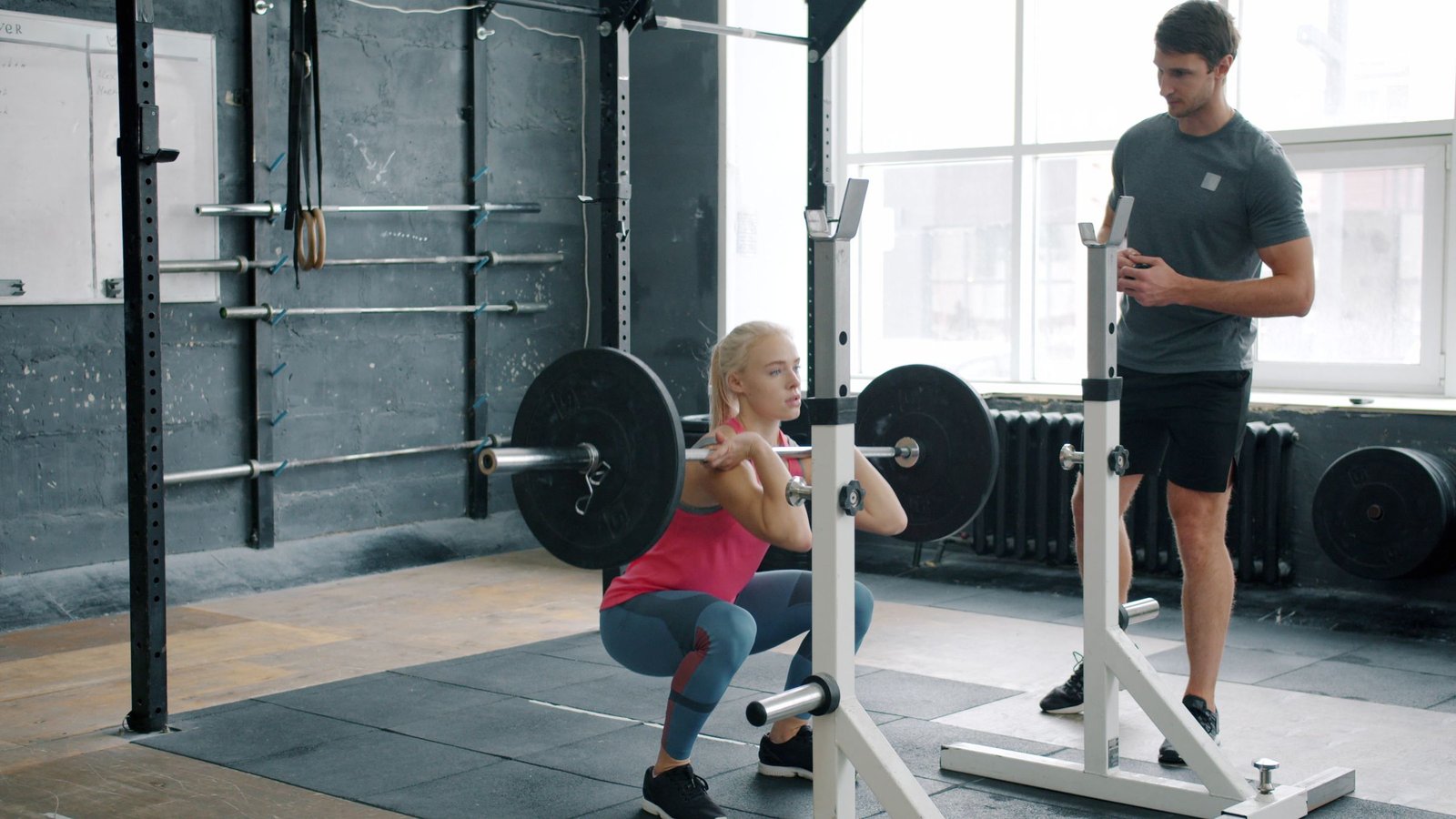
Training to Failure: Is It Necessary for Strength or Muscle Growth?
Training to failure is not compulsory for strength or muscle growth. Learn when it may help, when to stop short and how to manage…

How to Plan a Mat Pilates Class: An Evidence-Informed Framework
Plan a coherent Mat Pilates class with an evidence-informed six-decision framework for objectives, sequencing, dose, options, observation and progression.
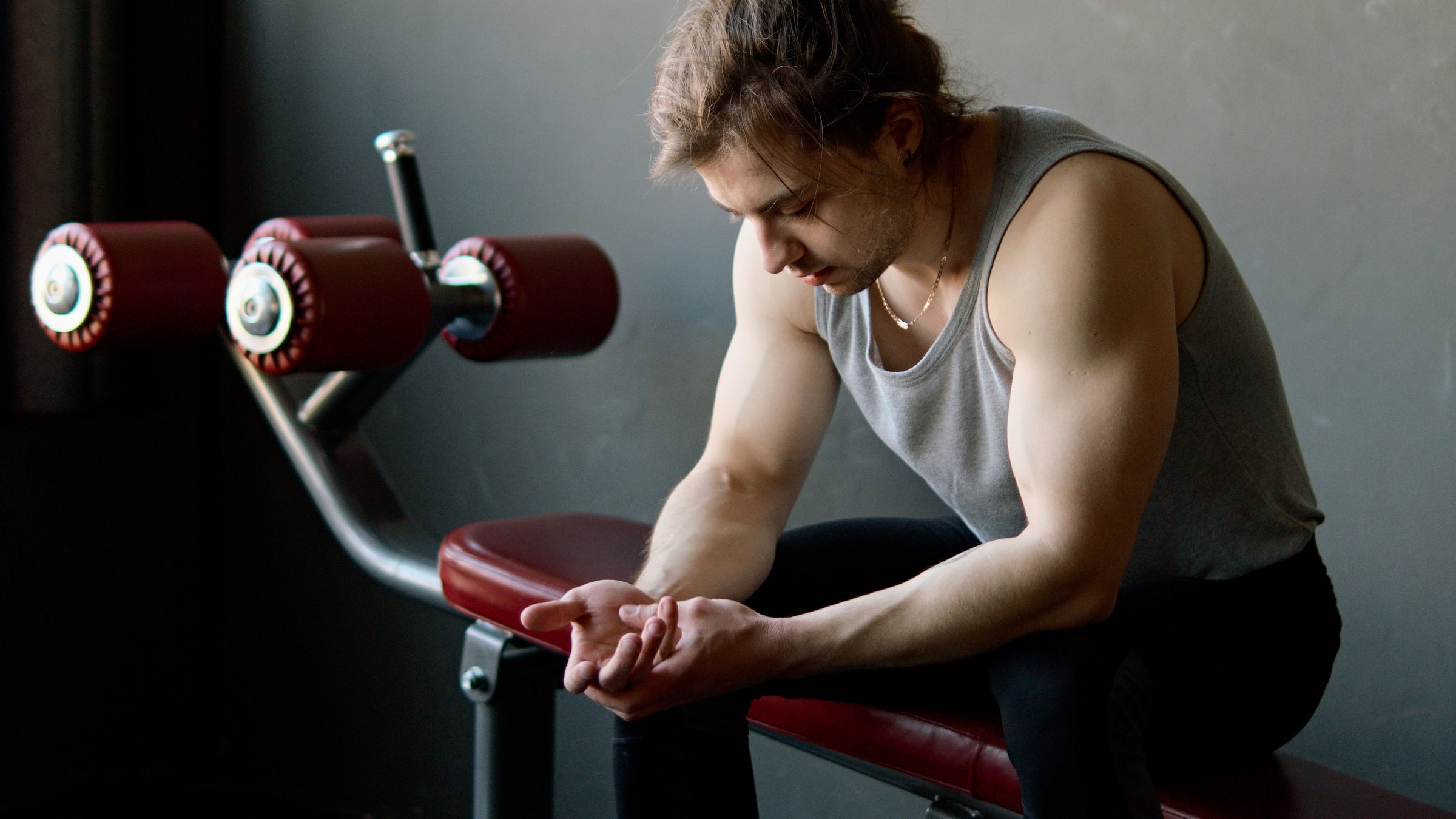
How Long Should You Rest Between Sets?
A practical, evidence-informed guide to choosing rest intervals that preserve load, repetitions and movement quality without wasting session time.

What Should a Massage Therapist Record in Client Notes?
A clear professional-practice guide to writing factual, proportionate and secure massage client notes using EFWA’s CLEAR framework.

What Should You Eat Before Exercise? A Practical Guide
A practical, evidence-informed framework for choosing a comfortable pre-exercise meal or snack according to the session, timing and individual tolerance.
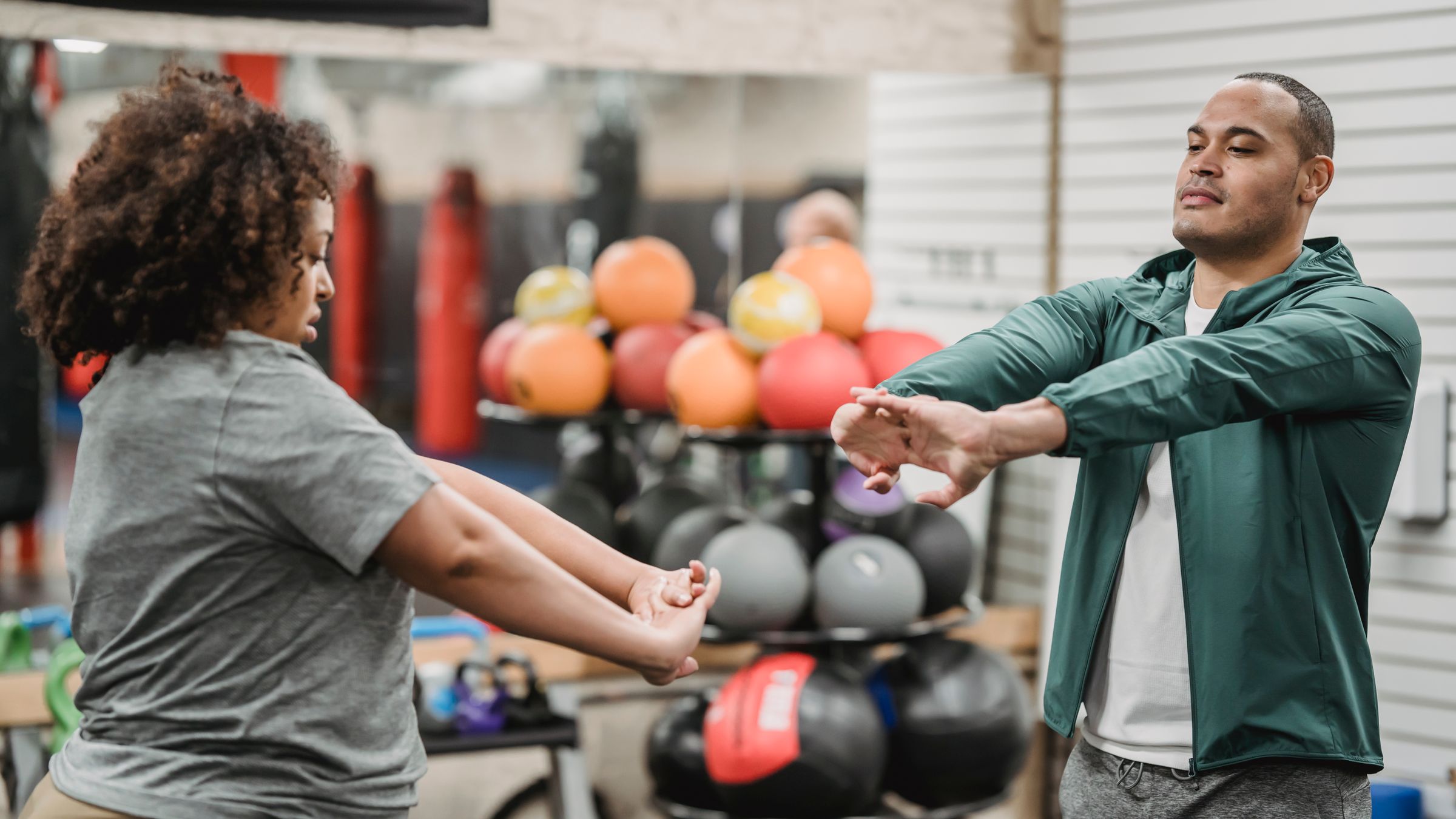
How to Design a Warm-Up Without Creating Fatigue
A practical, evidence-informed method for building a task-specific warm-up that improves readiness without reducing performance in the main session.

How Much Flexibility Do You Need for Yoga?
Learn why useful yoga flexibility is relevant, controllable range—not the deepest possible pose—and how instructors can programme it responsibly.

GLP-1 Weight-Loss Medicines and Exercise: What Fitness Professionals Should Monitor
A scope-aware guide to exercise coaching, functional monitoring and appropriate referral when clients use GLP-1 or dual GLP-1/GIP weight-management medicines.

Heart-Rate Zones: Useful Guide or False Precision?
Heart-rate zones can organise aerobic training, but they are estimates rather than universal physiological boundaries. Learn how to use them intelligently.
Continue learning
Move from reading to structured education
When a topic connects naturally with your professional goals, explore the relevant EFWA programme family.
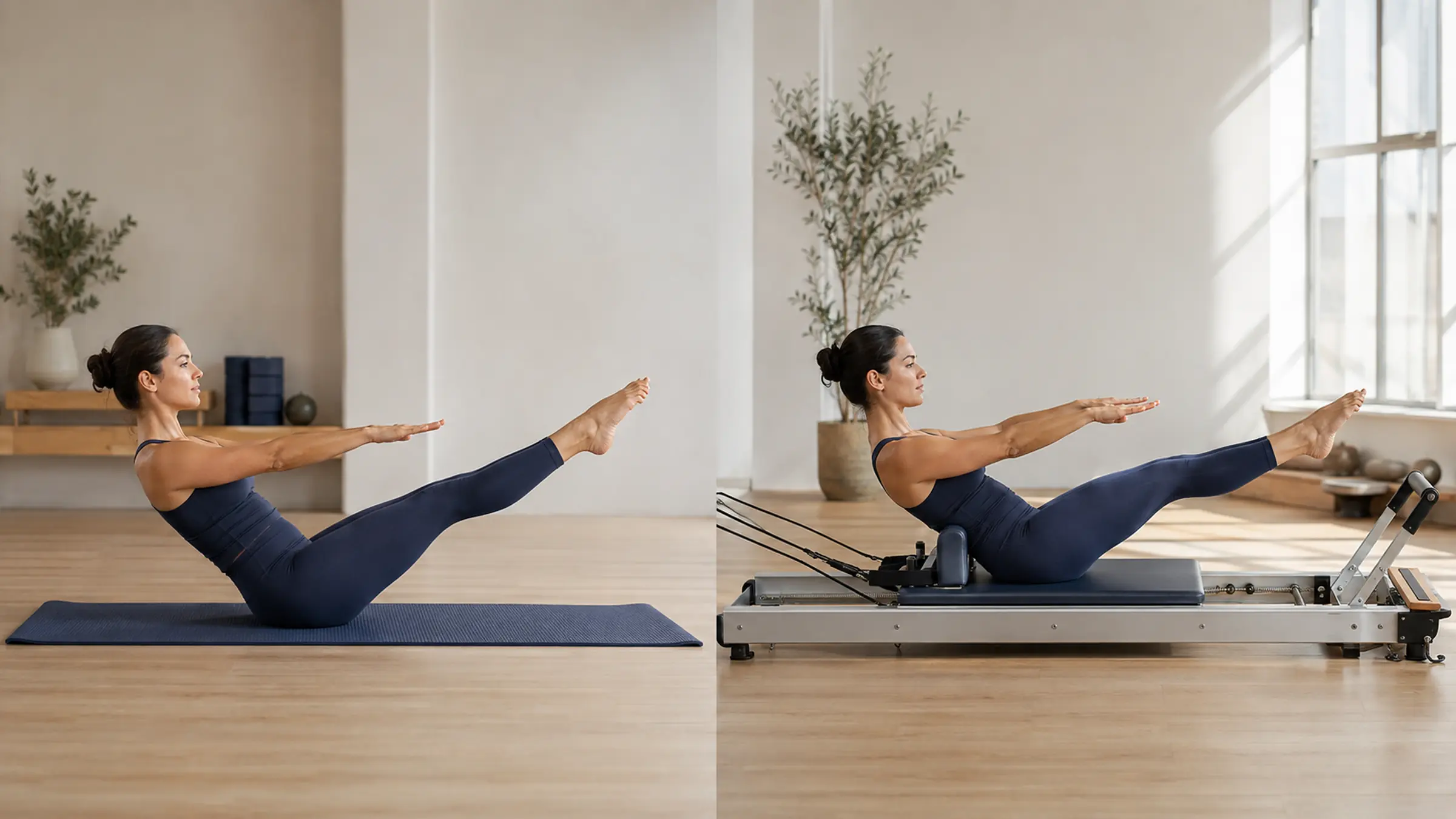
Pilates Instructor Courses
Compare Mat, Reformer, Pregnancy, Kids and Master pathways.
Compare Pilates courses →Personal Trainer Courses
Develop applied coaching, programming and professional practice.
Explore PT courses →
Massage & Therapy Courses
Explore massage, sports massage, Thai massage and reflexology education.
Explore therapy courses →
All EFWA Programmes
Browse EFWA’s current professional education and compare learning routes.
Explore all programmes →EFWA editorial approach
Clear answers without false certainty
EFWA prioritises systematic reviews, recognised guidance and high-quality peer-reviewed research where relevant. Articles distinguish established evidence, emerging findings and applied educational interpretation, while making professional boundaries and limitations visible.