Pilates Knowledge Hub
September 1, 2026 2026-09-01 19:15Pilates Knowledge Hub
EFWA Academic & Professional Learning
Pilates Knowledge Hub
Short, evidence-informed reading for Pilates instructors, students and movement professionals. Explore applied biomechanics, teaching decisions and responsible interpretation of research—without hype or disguised sales copy.
Useful knowledge in a few focused minutes
Each EFWA Pilates article starts with a direct answer, separates stronger evidence from emerging findings and expert interpretation, and ends with practical implications and source links. Reading time is shown before the article so you can choose what fits your day.
Latest Pilates reading
Three focused starting points for evidence-informed teaching and movement analysis.
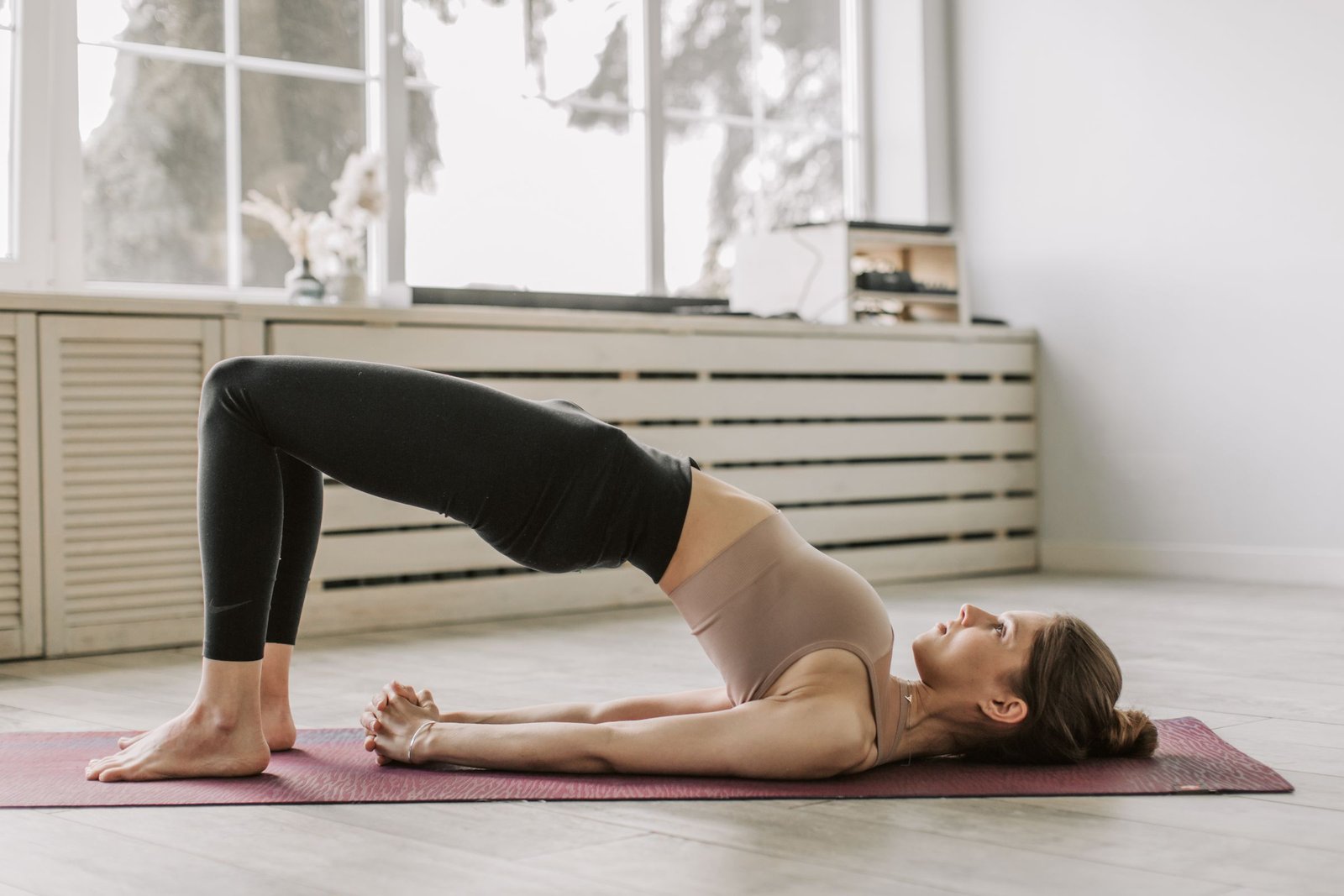
Can Pilates Help Low Back Pain?
What systematic reviews support, what they do not prove, and how instructors can teach without crossing into diagnosis or treatment claims.
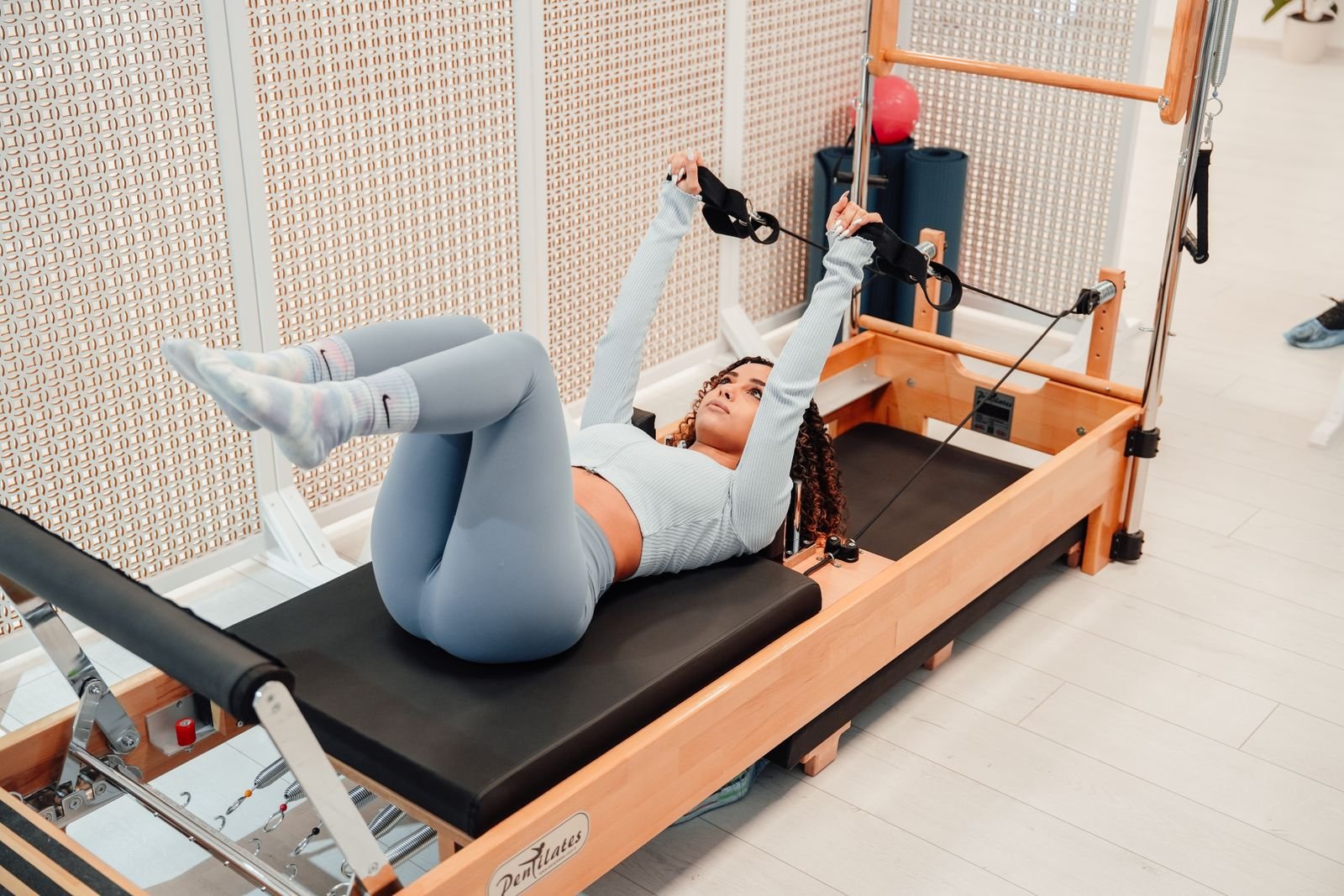
Mat Pilates vs Reformer Pilates
How gravity, springs, body position and a moving carriage alter exercise demand—and why neither format is automatically harder or better.
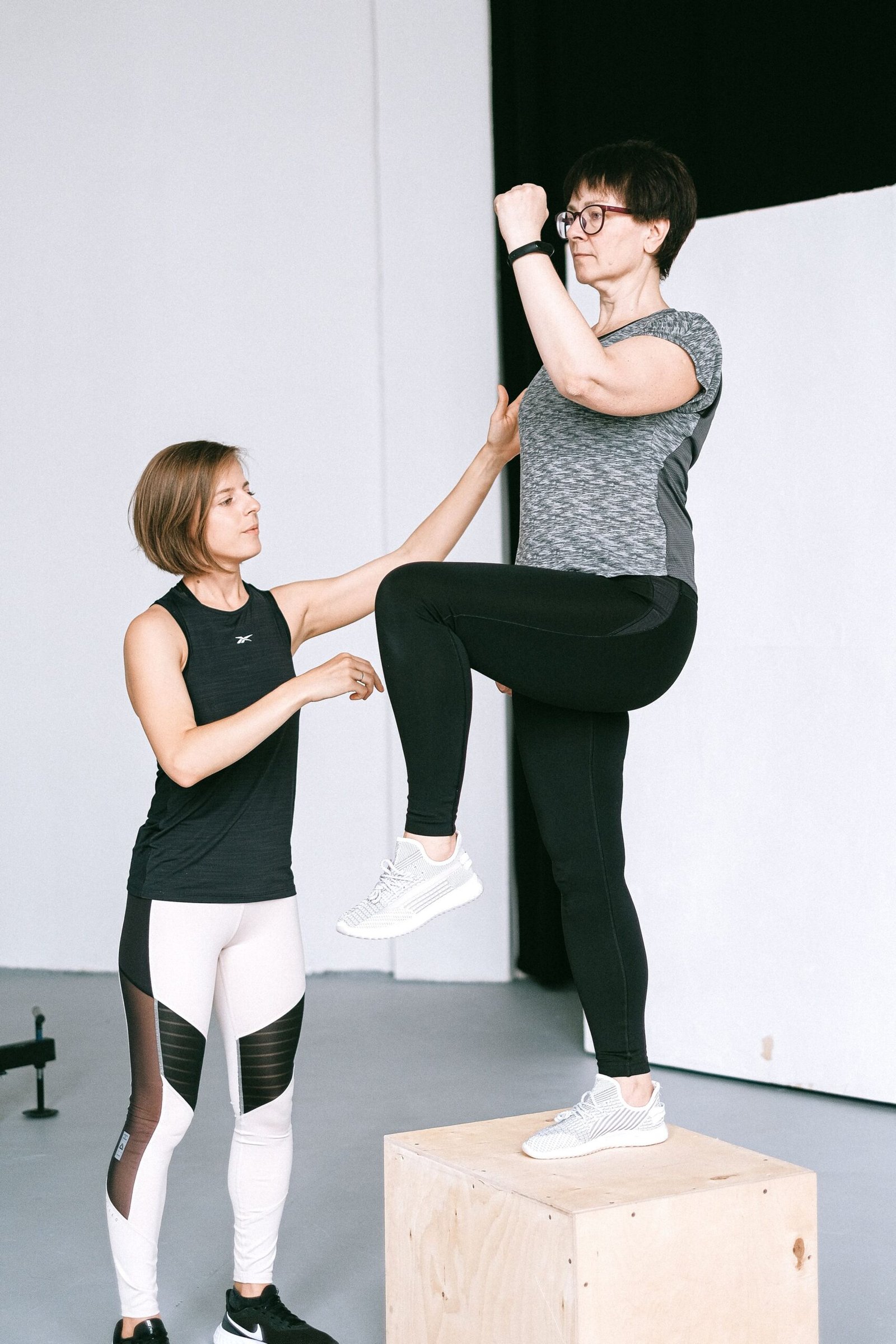
Can Pilates Improve Balance in Older Adults?
A careful reading of balance research, the difference between test scores and actual falls, and practical considerations for instructors.
How EFWA handles evidence
Clear claims, visible limitations
EFWA prioritises systematic reviews, meta-analyses, recognised guidance and high-quality peer-reviewed research. Articles distinguish established evidence, emerging findings, expert interpretation and EFWA-created educational frameworks.
Material claims are linked to verifiable sources. Where research is uncertain, population-specific or unable to support a universal conclusion, the article says so.
Join the professional discussion
Comments are available beneath each article. Instructors, students and movement professionals are welcome to add informed questions, constructive criticism and relevant educational observations. Comments may be moderated to keep the discussion respectful, useful and within appropriate professional boundaries.
Browse all Pilates articles · Compare Pilates education pathways